ATP: The Energy Currency Your Cells Spend Every Second
Adenosine triphosphate powers muscle movement, nerve firing, and cellular repair. Magnesium keeps ATP stable, iron delivers oxygen used in aerobic respiration, and B vitamins move electrons through metabolic pathways described in nutrition science. This article explains general biochemistry — not how any individual will feel or perform.
Explore the three pillars
Magnesium: Stabilising ATP at the Molecular Level
Magnesium forms a complex with ATP (Mg-ATP), preventing spontaneous hydrolysis and allowing enzymes to recognise and use the molecule. Over 300 enzymatic reactions depend on magnesium, including those in glycolysis and the Krebs cycle. Research published in Nutrients (2020) links suboptimal magnesium status with lower exercise tolerance and poorer sleep quality — both tied to ATP availability.
The UK reference nutrient intake for magnesium is 270 mg/day for women and 300 mg/day for men aged 19–50. Many adults fall short. Pumpkin seeds deliver roughly 150 mg per 30 g serving. A cup of cooked spinach adds about 150 mg. Dark chocolate (70%+ cocoa) contributes 60–80 mg per 30 g square — a practical afternoon option.
Absorption drops with very high single doses of supplemental magnesium and improves when spread across meals. Excessive zinc supplementation competes for the same transporters, so balance matters if you take multiple minerals. Start with food diversity before considering supplements.
- Tip: Soak oats overnight — phytic acid in grains can bind magnesium; soaking reduces inhibitors.
- Tip: Limit excessive caffeine late in the day; it increases urinary magnesium loss.
Iron: Fueling Aerobic ATP Production
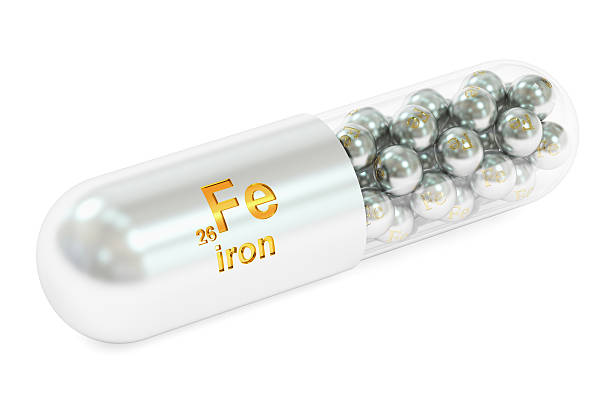
Iron sits at the centre of haemoglobin, carrying oxygen from lungs to tissues. Mitochondria need that oxygen as the terminal electron acceptor in the electron transport chain — the stage that produces the bulk of cellular ATP. Myoglobin in muscles stores oxygen locally for bursts of activity. When iron stores (ferritin) run low, aerobic capacity drops even if lung function is normal.
Haem iron from red meat, poultry, and fish absorbs at roughly 15–35%. Non-haem iron from lentils, chickpeas, tofu, and fortified breakfast cereals absorbs at 2–20% but improves significantly with vitamin C. A squeeze of lemon on spinach or peppers alongside bean chilli can double non-haem uptake.
Tea and coffee contain polyphenols that inhibit iron absorption — leave a gap of an hour between iron-rich meals and hot drinks. Menstruating adults and endurance athletes have higher turnover; regular GP blood panels can track ferritin if energy dips persist.
B Vitamins: Electron Shuttles in the Krebs Cycle
B vitamins function as coenzymes — helper molecules that let enzymes transfer energy between steps. Thiamine (B1) activates pyruvate dehydrogenase, the gateway from glucose breakdown into the Krebs cycle. Riboflavin (B2) forms FAD and FMN, carrying electrons between complexes. Niacin (B3) builds NAD+, perhaps the most recognised electron carrier in metabolism.
Pantothenic acid (B5) forms coenzyme A, which attaches acetyl groups that enter the Krebs cycle. Biotin (B7) supports carboxylation reactions in fat and carbohydrate metabolism. These vitamins work as a team; emphasising one in isolation rarely mirrors how food delivers them together in eggs, whole grains, dairy, and legumes.
Stress, alcohol, and high refined-carbohydrate intake increase B vitamin turnover. Wholegrain bread instead of white, a handful of almonds, and regular protein at lunch cover most bases for UK adults eating varied diets. B12 is covered separately on our brain & focus page.
Building an ATP-Friendly Daily Plate
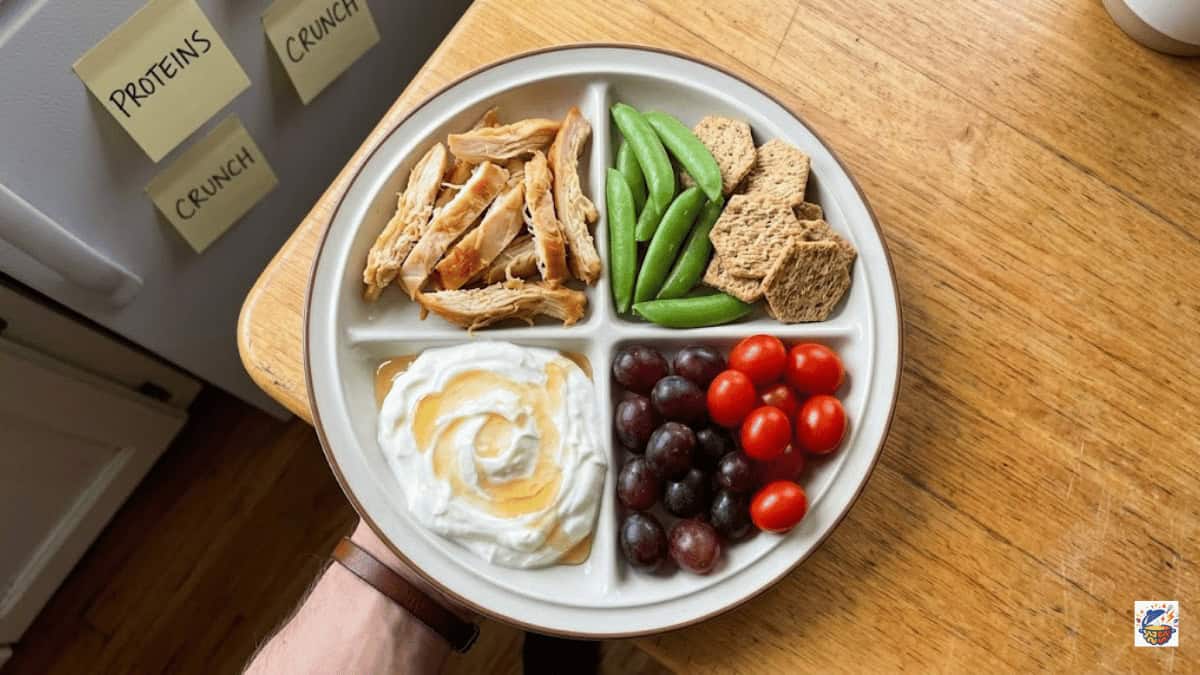
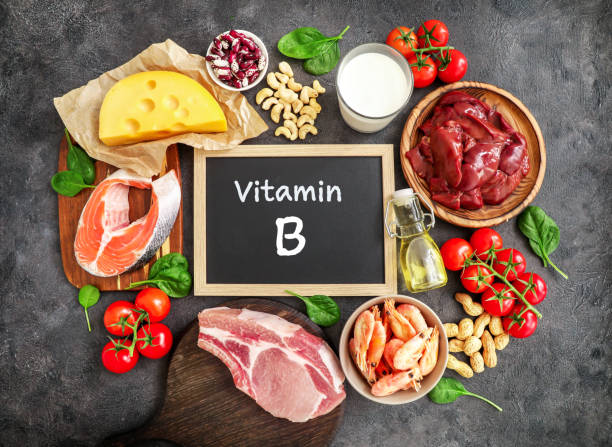
Think in terms of metabolic support rather than single-nutrient fixes. Breakfast with oats, seeds, and berries supplies magnesium and B1. Lunch with lentil soup, wholegrain bread, and a side salad covers iron, folate, and vitamin C for absorption. Dinner with oily fish or lean poultry plus roasted root vegetables rounds out the day.
- Morning: Magnesium-rich seeds on porridge; avoid coffee within 30 minutes of an iron-focused breakfast if ferritin is a concern.
- Midday: Include a palm-sized protein portion and at least two vegetable colours for mineral diversity.
- Afternoon: A square of dark chocolate or a banana with almond butter — magnesium and B6 without heavy processing.
- Evening: Reduce large late meals that divert blood flow to digestion instead of overnight cellular repair.
Hydration supports blood volume and oxygen delivery — iron cannot help if circulation is compromised by chronic under-drinking. Aim for consistent fluid intake across the day rather than large boluses.
Frequently Asked Questions
ATP is used within seconds of production — cells do not store large ATP reserves. Steady nutrient intake supports continuous production rather than sudden spikes. Sustainable habits beat short-term stimulant approaches.
Serum magnesium poorly reflects total body stores. Ferritin blood tests via your GP are more informative for iron. Self-test kits vary in reliability — clinical labs remain the standard.
Most contain caffeine and sugar, which create a temporary alertness effect unrelated to mitochondrial ATP synthesis. They do not replace dietary magnesium, iron, or B vitamins.